
Pakistan, Saudi Arabia to Jointly Produce EPI Vaccines Amid Supply Disruptions
Pakistan plans joint local production of EPI vaccines with Saudi Arabia after supply disruptions, aiming to strengthen immunisation security before foreign aid ends.
1/7/20262 min read
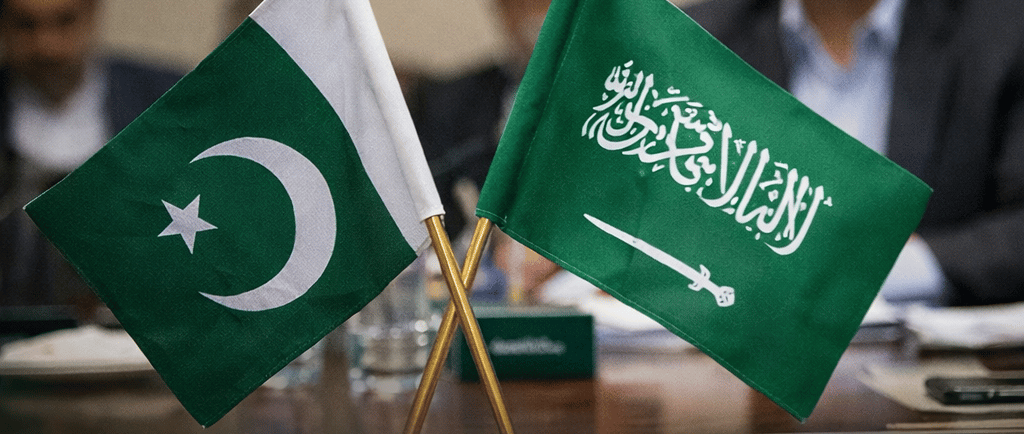
Pakistan has decided to move toward joint local production of vaccines under the Expanded Programme on Immunisation (EPI) in partnership with Saudi Arabia, following recent disruptions in vaccine supplies caused by regional and diplomatic tensions.
The decision was discussed during a meeting of the Senate Standing Committee on National Health Services, Regulations and Coordination, where Federal Health Minister Syed Mustafa Kamal briefed lawmakers on challenges related to vaccine procurement and the government’s long-term strategy to ensure uninterrupted immunisation coverage.
The minister informed the committee that a high-level Saudi delegation is expected to visit Pakistan on January 28 to advance discussions on technical and commercial cooperation in vaccine production.
Syed Mustafa Kamal explained that Pakistan has traditionally sourced EPI vaccines from Indian manufacturers through international procurement channels. However, due to recent bilateral tensions, Indian suppliers declined to provide vaccines meant for Pakistan, even through third-party intermediaries, leading to supply uncertainties.
Pakistan currently spends around $350 to $400 million annually on vaccine procurement. Approximately 51 percent of this cost is covered through domestic resources, while the remaining amount is financed by international development partners, including Gavi, UNICEF, the World Health Organization, the Gates Foundation, and Rotary International. The minister noted that this external support is expected to end by 2030, after which Pakistan will need to fully fund its immunisation programme.
To prepare for this transition, the government has submitted a National Vaccine Policy to the prime minister. The proposed policy includes the establishment of a National Vaccine Alliance, bringing together local pharmaceutical companies under a public-private partnership (PPP) framework.
The health minister said Pakistan evaluated potential partnerships with several countries before finalizing Saudi Arabia as its preferred partner. Under the proposed plan, vaccine production would initially focus on packaging and finishing, with a gradual shift toward full-scale local manufacturing in later phases.
Pakistan currently requires nearly 140 million EPI vaccine doses annually, making local production critical for long-term health security, cost control, and supply stability.
PK Public News provide you the latest news from all over the Pakistan so also follow our Facebook, TikTok and Instagram.
Facebook: https://www.facebook.com/share/1Qy8uykxRF/
TikTok: https://www.tiktok.com/@pk.public.news?_r=1&_t=ZS-92jAYEeLTKj
Instagram: https://www.instagram.com/pkpublicnews_1022?igsh=c3AwcnYxYnVpdm45